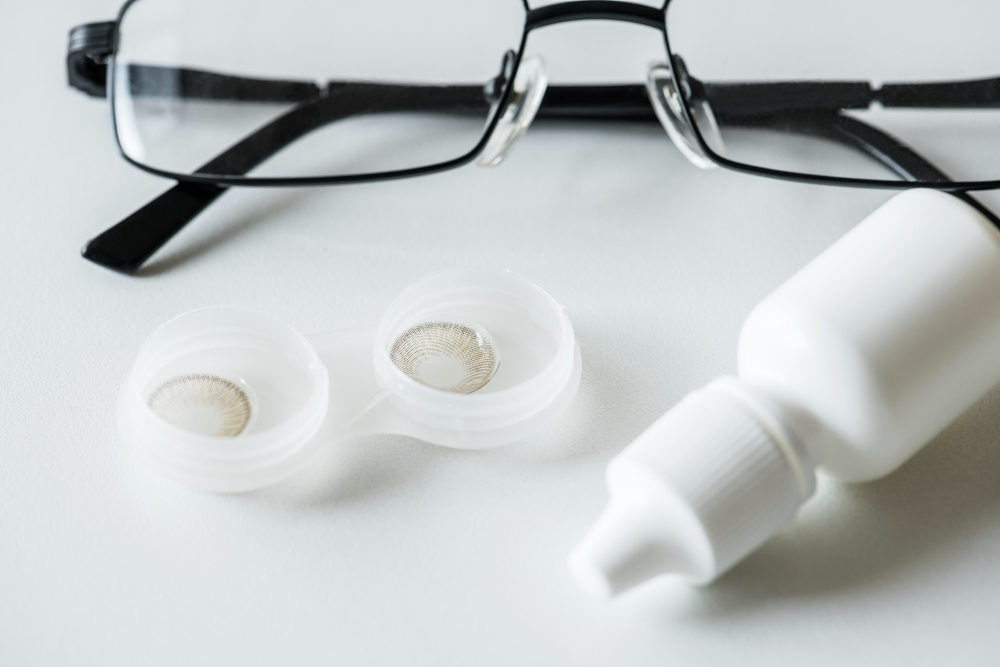
Homeopathy for eye disorders is gaining attention as people seek gentle, natural remedies for eye health. Homeopathy is a holistic system of medicine that uses highly diluted substances to support the body’s healing. Many people look for homeopathic treatment for eye problems, hoping for fewer side effects. In addition, holistic eye care focuses on the whole person, not just the symptoms. If you want to explore natural remedies for eye health, homeopathy may offer some options. However, it is important to understand both its benefits and its limits.
What Are Eye Disorders?
Eye disorders are conditions that affect how your eyes work. Some are mild, while others can be serious. For example, some common eye disorders include:
Other issues, like eye strain or allergies, are also common. But some eye problems can lead to vision loss if not treated.
How Homeopathy Addresses Eye Disorders
Homeopathy is based on the idea that “like cures like.” This means a substance that causes symptoms in a healthy person may help treat similar symptoms in someone who is sick. In homeopathy, remedies are chosen based on your unique symptoms, not just the disease name. For eye disorders, a homeopath will look at your full health history. Then, they select a remedy that matches your symptoms. Because homeopathy uses very small doses, side effects are rare. However, it is important to use these remedies under the care of a trained professional.
Common Homeopathic Remedies for Eye Disorders
Several homeopathic remedies are used for eye problems. Here are some popular options:
Each remedy is chosen based on your specific symptoms. Therefore, it is best to consult a qualified homeopath for advice.
Benefits and Limitations of Homeopathy for Eye Health
Homeopathy offers some benefits for mild eye problems. For example, it is gentle and usually safe when used correctly. Many people like that it focuses on the whole person. However, homeopathy is not a replacement for standard medical care. Serious eye disorders, like glaucoma or cataracts, need medical attention. Also, scientific evidence for homeopathy is limited. The World Health Organization (WHO) and other health bodies recommend using homeopathy as a complementary approach, not as the only treatment.
When to Consult a Healthcare Professional
Some eye symptoms need urgent care. For instance, see a doctor if you have:
Even if you use homeopathy, regular eye check-ups are important. Early treatment can prevent vision loss. Always talk to a healthcare professional before starting any new remedy.
Lifestyle Tips for Eye Health
Besides remedies, healthy habits support your eyes. Here are some simple tips:
These steps help keep your eyes healthy and may prevent some problems.
In summary, homeopathy for eye disorders may offer gentle support for mild symptoms. However, it should not replace medical care for serious eye problems. Consult a qualified homeopathic practitioner or eye specialist Dr S Ram Mohan Reddy for personalized advice.