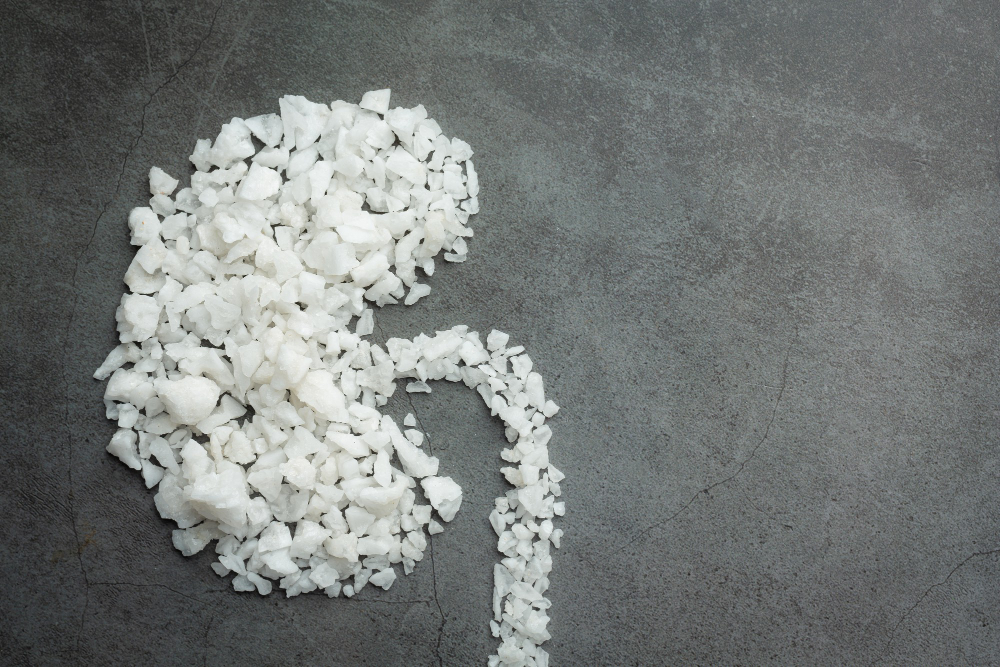
Many people search for gentle ways to manage kidney stones. Homeopathy for kidney stones offers a natural approach to help dissolve stones and ease pain. Because kidney stones can cause severe discomfort, finding safe and effective relief is important. In this blog, you will learn about natural dissolution, pain relief, and how homeopathy may help. We will also discuss symptoms, causes, and prevention tips for kidney stones.
What Are Kidney Stones?
Kidney stones are small, hard deposits that form inside your kidneys. They are made of minerals and salts. Sometimes, these stones can move into the urinary tract. This movement may cause pain or block urine flow. Although kidney stones are common, they can be very painful. Most stones pass on their own, but some need treatment.
Symptoms and Causes of Kidney Stones
Kidney stones can cause many symptoms. However, some people may not notice any signs until the stone moves. Common symptoms include:
There are several causes of kidney stones. For example, not drinking enough water can lead to stone formation. Eating too much salt or animal protein may also increase risk. Some people have a family history of kidney stones. In addition, certain medical conditions can make stones more likely.
How Homeopathy Approaches Kidney Stones
Homeopathy uses natural substances to support the body’s healing. In the case of kidney stones, homeopathic remedies aim to help dissolve stones and reduce pain. Unlike some treatments, homeopathy focuses on the whole person. For instance, a homeopath may consider your symptoms, lifestyle, and health history. Then, they select a remedy that matches your needs. Many people seek homeopathy for kidney stones because it is gentle and non-invasive. However, it is important to remember that scientific evidence is limited. The World Health Organization (WHO) suggests using homeopathy as a complementary approach, not a replacement for medical care.
Common Homeopathic Remedies for Kidney Stones
Several homeopathic remedies are used for kidney stones. Each remedy is chosen based on your symptoms. Some commonly used remedies include:
Although these remedies are popular, you should consult a qualified homeopath. They will choose the best remedy for your unique case. In addition, do not stop any prescribed medicine without talking to your doctor.
Benefits and Limitations of Homeopathic Treatment
Homeopathy for kidney stones offers several potential benefits. For example, it may help:
However, there are also limitations. Scientific studies on homeopathy for kidney stones are limited. While some people report relief, results can vary. Homeopathy should not replace urgent medical care. If you have severe pain, fever, or trouble urinating, seek help right away. The CDC and other health experts recommend using homeopathy as a complementary therapy, not a main treatment.
Lifestyle Tips for Kidney Stone Prevention
Besides homeopathic remedies, healthy habits can help prevent kidney stones. Here are some simple tips:
By following these tips, you may lower your risk of kidney stones. In addition, healthy habits support your overall well-being.
When to Seek Medical Help
Although homeopathy for kidney stones may help some people, it is important to know when to get medical care. Seek help if you have:
These signs may mean you need urgent treatment. Early care can prevent serious problems.
In summary, homeopathy for kidney stones may offer gentle support for pain and natural dissolution. However, always consult Dr S Ram Mohan Reddy for personalized advice on kidney stone management.